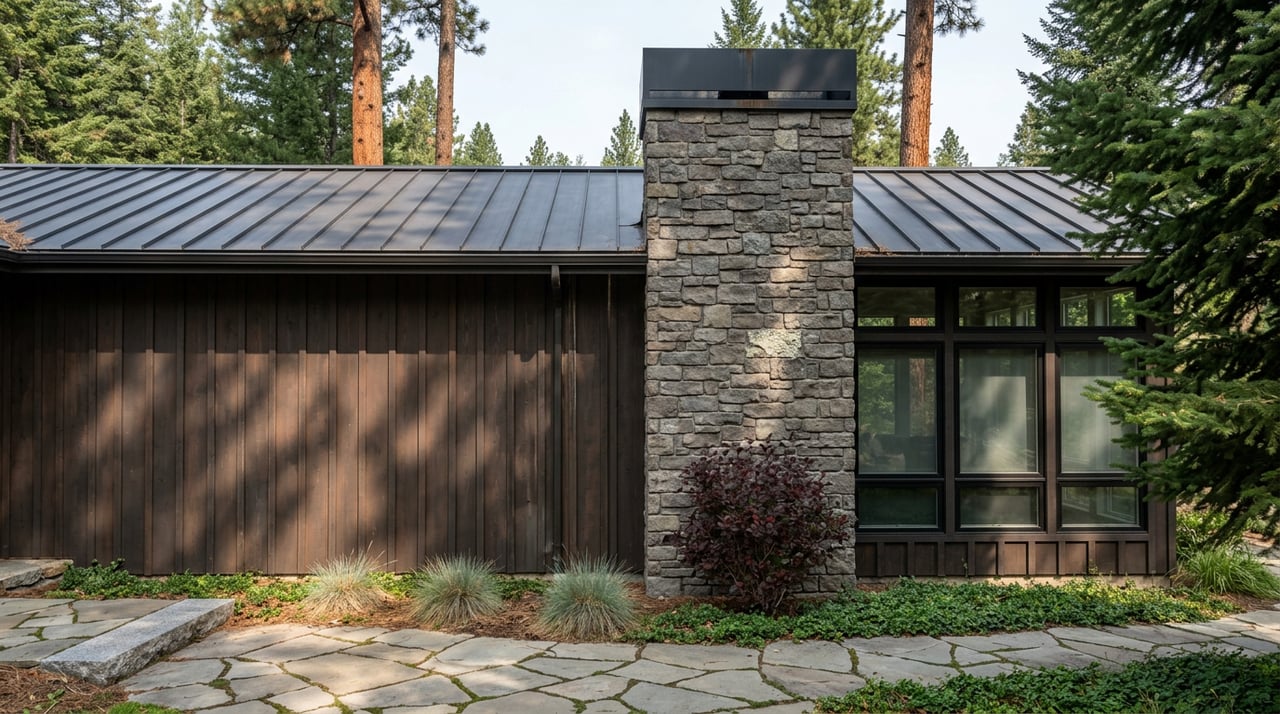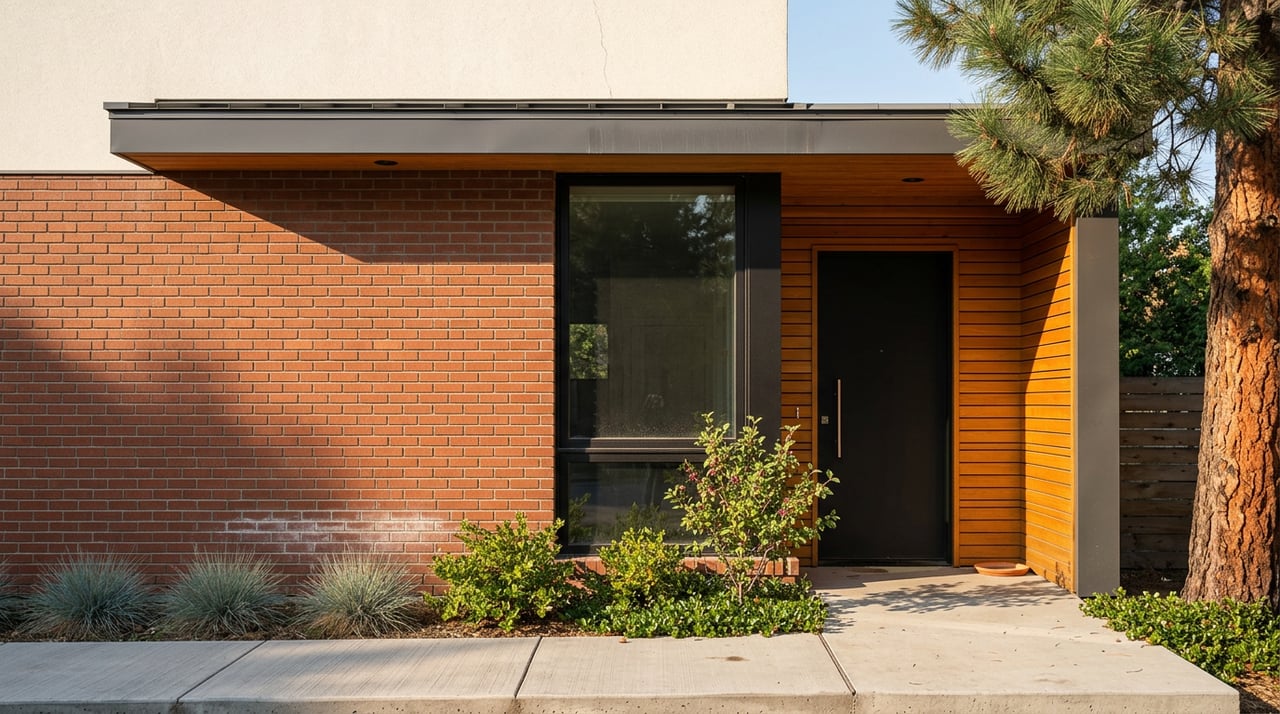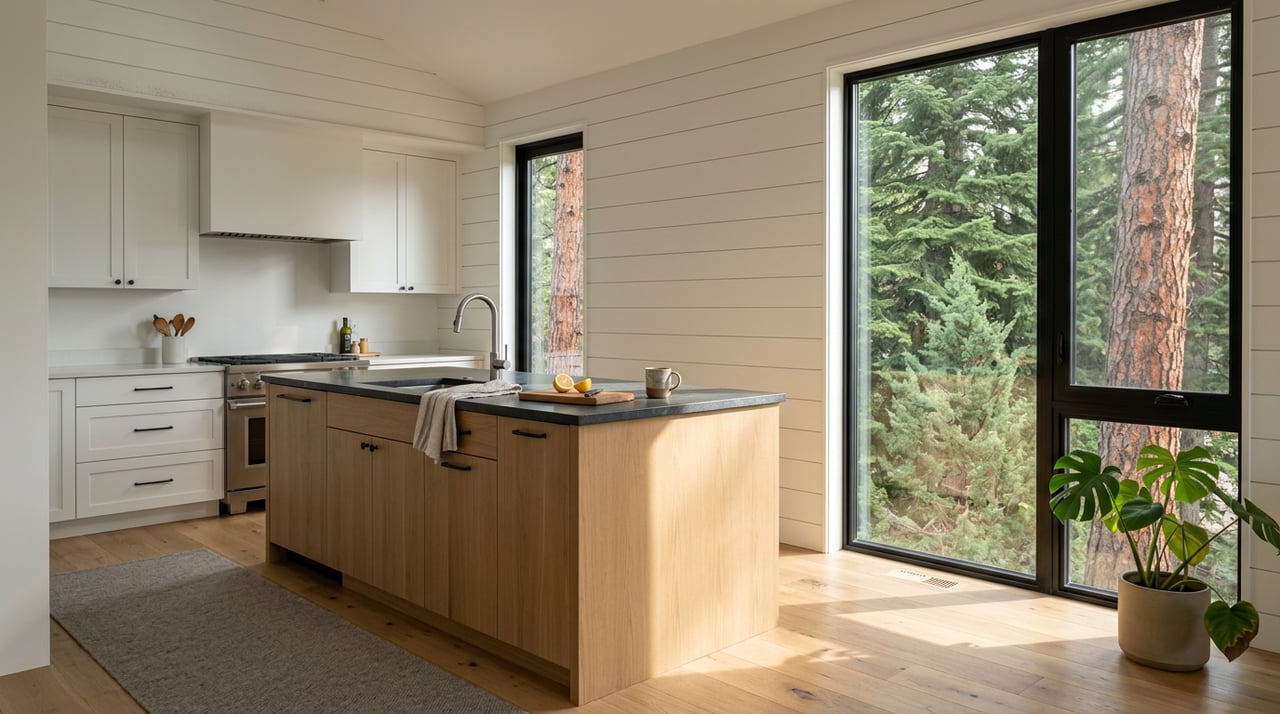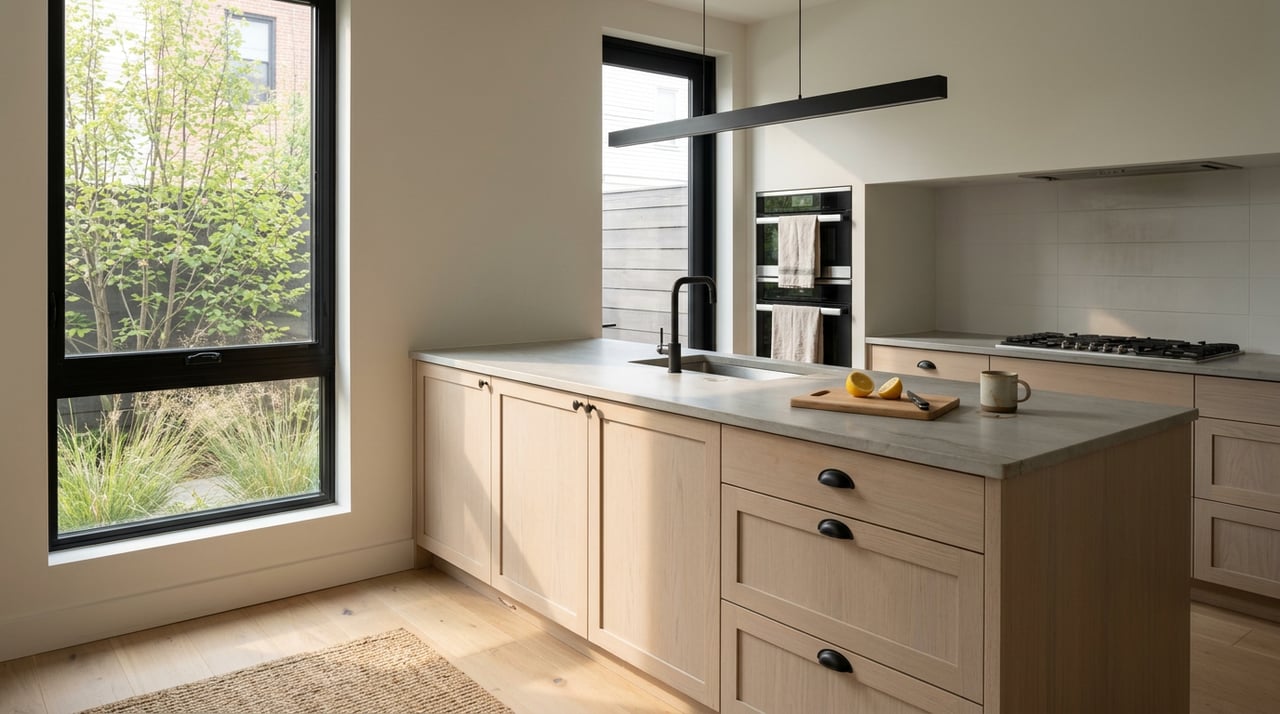
Walk into a Denver showing this summer and you'll see it before anyone says a word. According to the Denver Metro Association of Realtors' own June 2026 Market Trends Committee, buyers are running their fingers along windowsills, checking the age of the water heater before they've even glanced at the kitchen. Committee chair Amanda Snitker put a name on it: this "turnkey premium" is reshaping how both buyers and sellers think about value.
That single phrase explains something the headline numbers don't. If you've been watching the Denver market from a distance, you've probably seen the same stat everywhere: prices are basically flat. Technically true. Practically misleading. The overall median across the metro area came in at $616,000 in June 2026, a percent above the same month last year, following what most agents describe as a year of price readjustment after the pandemic run-up. That number is calm. What's happening underneath it is not.
The Number Everyone Quotes Is the Wrong One
A flat median tells you the average outcome. It says nothing about the range of outcomes a single seller might actually experience, and right now that range in Denver is wide. Single-family homes posted a median of $675,000 in June 2026, up 1.5% for the month and marking five straight months of gains. Meanwhile sellers overall are still closing near 99% of list price, a number that sounds like a seller's market until you notice it isn't evenly distributed. Detached homes are pulling that average up. Condos and other attached homes are closing at 98.48% of list, a smaller gap on paper that translates to real money on a $400,000 unit.
The Colorado Association of Realtors, using its own statewide MLS data, framed the same disconnect a different way. Stability remains the headline for the metro, but the mechanics underneath it have changed. Active listings finished June down sharply from a year earlier, pending contracts actually rose, and by the old playbook that combination should hand sellers more leverage. It didn't. Closed sales barely moved and homes took longer to sell across the board. Fewer homes came to market and buyers still weren't rushing.
What "Turnkey Premium" Actually Costs in Days
Here's where the condition story gets concrete. DMAR's June data shows detached and attached homes aging on the market at very different speeds, and the gap is widening month over month, not narrowing.
| June 2026 metric | Detached homes | Attached homes (condos/townhomes) |
|---|---|---|
| Median days on market | 14 days | 34 days |
| Change from May 2026 | +27.27% | +17.24% |
| Close-price-to-list-price ratio | Above the 99% overall average | 98.48% |
Both categories are slowing down. That part isn't surprising in a summer market. What matters is that attached homes, which already sit more than twice as long as detached homes, are still adding days at a meaningful clip. If you're comparing a Denver condo to a comparable single-family starter, you're not just comparing square footage and HOA dues anymore. You're comparing how forgiving each market segment is of a dated kitchen or an aging furnace, and right now the attached side has less room for error.
The Luxury Market Isn't Playing by the Same Rules
If deferred maintenance is dragging down the middle of the market, the top of it is having a different summer entirely. Luxury homes accounted for 2,973 sales through the first half of 2026, representing 14.12% of all home sales in the Denver metro area. Year to date, sales of homes priced at a million dollars or more climbed 3.12% compared to the same period in 2025, and are running 23.21% above 2023. That's not a market cooling off. That's a segment where buyers are competing hard for the right property.
Two June 2026 closings put a number on what "right property" means at the top end. The highest-priced detached home sold that month was 2610 E. Cedar Ave. in Denver, which sold for $8.5 million, and the highest-priced attached home sold was 322 Adams St. in Denver, which sold for $3.239 million. Neither of those homes was sitting on the market waiting for a price cut. When a property is genuinely distinctive and truly move-in ready, Denver buyers this summer are still showing up with real money and real urgency. The turnkey premium isn't a story about the market slowing down everywhere. It's a story about where buyer patience has run out and where it hasn't.
Why the Inventory Math Doesn't Add Up the Way You'd Expect
Here's the part that should make any Denver seller pay closer attention. As of June 2026, active single-family listings had fallen 21.1% year over year, tightening months of supply from 4.6 down to 3.6. That's the kind of inventory squeeze that historically pushes days on market down and prices up fast. Instead, homes took 7.7% longer to sell in June 2026 than they did in June 2025, and sellers still received essentially the same 98.9% of list price both years.
In a normal market, fewer homes plus more buyer interest equals urgency. This year it's producing patience instead. Buyers know inventory is tight, but DMAR's own report notes buyer activity slowed somewhat compared to earlier this spring, with showings taking longer to generate and agents following up more frequently to obtain feedback after appointments. Buyers aren't backing off because they lack options. They're backing off because they're being more selective about the options in front of them, and condition is the filter they're applying.
What This Means If You're Selling in Denver Right Now
The report's advice to sellers is blunt, and it lines up exactly with what the condition-gap data shows. The first 14 days a new listing is on the market continue to be the most important. A home that misses on day one because of a dated bathroom or a visibly old roof isn't just risking a slower sale. It's risking a lower net price, because buyers who come back to a stale listing three weeks later come back expecting a discount.
A few things matter more this summer than they did a year ago:
- Mechanical age is now a visible line item in buyer conversations, not a private worry they raise at inspection.
- Cosmetic condition (paint, flooring, fixtures) is doing more of the persuasion work than square footage alone.
- Attached homes carry less margin for deferred maintenance than detached homes, given the wider days-on-market gap already showing up in the June data.
- Susan Thayer, another DMAR Market Trends Committee member, put the buyer mindset plainly: buyers still hold a slight edge over sellers and continue to demand updated finishes, well-cared-for homes with newer mechanical systems.
None of this means every seller needs a full renovation before listing. It means the homes getting the calm, 99%-of-list outcome are the ones that already look finished on day one, and the homes absorbing the discount are the ones asking buyers to imagine the finished version themselves.
What This Means If You're Buying
If you're house hunting in Denver metro, the condition gap is your leverage. The DMAR data suggests the properties sitting past that critical first-two-weeks window, especially condos and townhomes edging toward or past that 34-day median, are where sellers are more likely to negotiate on price or concessions. A home that needs a new water heater isn't a red flag in this market. It's a data point you can use.
FAQ
Does the turnkey premium show up the same way at every price point? Not evenly. The luxury segment, homes above $1 million, actually grew faster than the market as a whole in the first half of 2026, with sales up double digits compared to both 2023 and 2024. Buyers at that level are competing for the right home, not waiting out a discount. The condition gap is sharpest in the entry-level and mid-market attached-home segment, where the days-on-market spread between move-in-ready and dated inventory is widest.
What should I actually do if I own an older or unrenovated home and want to sell this year? Start with the things buyers are physically checking during a showing: water heater age, roof condition, and visible mechanical wear. You don't need to guess at what a fair asking price looks like once those items are addressed, or what they're worth left alone. That's exactly the kind of pricing conversation worth having before you list, not after the first showing feedback comes back soft.
If you're weighing whether to prep a Denver home before listing, sell as-is, or hold it as a rental instead, the condition data above should be part of that math, not an afterthought. I'm Chad Goodale, and I'd rather walk you through what your specific property looks like against these numbers than have you guess. Start with a same-day home valuation and we'll talk through where your home actually sits in this market, turnkey or not.