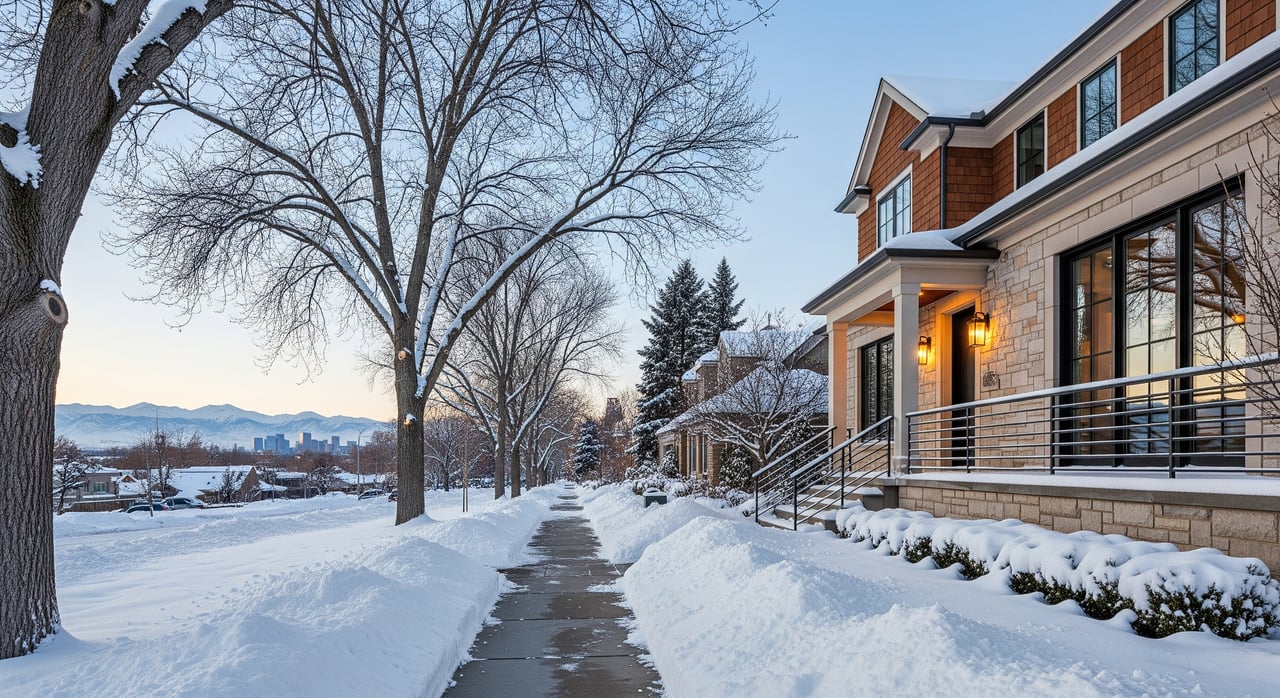
Winter storms in Denver can be beautiful, but the rules around shoveling are serious. Clearing your sidewalk on time keeps neighbors safe, lowers your liability risk, and helps you avoid citations. With a simple plan, you can stay compliant even during back-to-back storms.
Why Snow Rules Matter This Winter
Sidewalks connect everything in Denver. When you keep yours clear, your block stays walkable for kids, older adults, wheelchair users, and bus riders. The city expects property owners or the party in control of a property to clear sidewalks that touch the parcel, including adjacent ADA curb ramps and many bus stop areas. For residences, the expectation is to clear by the next day after the snow stops, typically within about 24 hours. Businesses are expected to clear as soon as the snow ends. These guidelines come from the city’s official snow page, which also explains how complaints and inspections work according to the City and County of Denver.
Staying compliant also reduces your exposure to slips and falls on your frontage. If you need to report a sidewalk that stays snowy well after a storm ends, the city directs you to 311 for inspection and follow up per the city’s snow removal guidance.
Who Must Shovel Which Areas
The basic rule is simple: you are responsible for clearing the public sidewalk that borders your property. That includes curb cuts and ADA ramps at corners, and in many cases bus stop areas without shelters that sit on your frontage per Denver’s guidance.
Common scenarios to know:
- Single-family homes and corner lots
- Clear the full length of your sidewalk along every side of your lot. Include curb ramps at corners and keep a passable path for wheelchair users and strollers.
- Townhomes and condos with HOAs
- Many HOAs hire a vendor, but responsibility still ties back to the property side if tasks do not get done. Confirm your community’s policy and the exact areas the vendor covers.
- Multi-unit and mixed-use buildings
- Owners or property managers usually handle sidewalks and curb ramps. Set clear vendor standards and response times after each storm.
- Short-term and long-term rentals
- Leases can assign the task to the tenant or keep it with the owner, but the city will look to the property side if walkways remain uncleared. Put duties and timelines in writing and send reminders before forecasted storms.
Lease and HOA Considerations
- Check lease language for who shovels and when. If you are the landlord, send a pre-season memo with expectations and what “clear” means.
- For HOAs, ask for the snow plan: vendor contact, trigger depths, time windows after snow stops, and areas covered. Share this plan with residents so there are no gaps.
Deadlines, Standards, and Compliance Basics
- Timelines after snowfall
- Residential sidewalks should be cleared by the next day after the snow stops, typically within about 24 hours. Businesses are expected to clear right after the snow ends per Denver’s rules. If snow continues, clear in passes to prevent deep pack and ice.
- What counts as “clear”
- Create a walkable corridor that is wide enough for a wheelchair or stroller. Remove ridges and chunks, scrape down packed snow, and salt or sand icy spots. Remember the ADA curb ramps at corners.
- Where to put the snow
- Keep snow on your property. Do not push or blow snow into the street, bike lanes, or intersections. Colorado state guidance makes it unlawful to place snow onto public roadways or the right of way, which can lead to separate penalties and liability if hazards form per CDOT.
- Ongoing ice and refreeze
- Sun and shade change conditions through the day. Re-treat slick spots and chip away refreeze late afternoon and early morning.
Travel and Absence Planning
- Heading out of town or stuck at work during storms? Set up backup coverage. Options include a neighbor on call, a paid service with guaranteed response windows, or building staff with clear instructions.
- For rentals, send tenants a pre-storm checklist and provide a snow shovel and melt product on site.
Fines, Complaints, and Enforcement Process
Denver’s process is designed to get sidewalks cleared quickly, not to surprise people with tickets. Here is the typical flow based on city guidance:
- How complaints start
- Neighbors can report uncleared sidewalks to 311 after a storm. City inspectors also patrol problem areas per Denver’s snow page.
- What happens after a notice
- Inspectors usually leave a time-stamped door hanger or notice. For residences, you are expected to clear by the next day after snow stops. Businesses are expected to act quickly once the storm ends. The city may recheck and, if still uncleared, can issue a citation.
- Fix it fast and document it
- Shovel, treat for ice, and take time-stamped photos as proof. If a vendor is responsible, save invoices and work logs.
If the city must hire a contractor to clear in some situations, costs can be billed to the property, and unpaid amounts can be collected. The city’s sidewalk program also notes that the voter-approved sidewalk ordinance does not remove your day-to-day duty to clear snow per the Sidewalk Program.
Dispute and Documentation Tips
- Keep a simple winter file: notices, texts with your plow crew, time-stamped photos before and after, and weather screenshots.
- If there is a misunderstanding, share your proof with the inspector or through the 311 process.
Practical Snow Strategy for Owners
A little prep makes winter easy. Here is a plan you can follow for every storm.
- Pre-storm prep
- Tools: ergonomic shovel or push plow, ice chisel, broom for powder, melt spreader, pet-safe de-icer, sand for traction, and gloves with grip.
- Layout: identify where you will store snow on your property so it does not slide back onto the walk.
- Safety: warm up, push instead of lift, and take breaks. If you have heart or back concerns, consider hiring help and follow safe-shoveling guidance from local health experts see Denver Health’s tips.
- Efficient clearing order
- First pass: front sidewalk and curb ramps. Second pass: bus stop frontage if it touches your parcel. Third pass: clean edges, scrape packed snow, and widen narrow spots.
- Refreeze prevention
- Use melt sparingly and sweep away slush so it does not refreeze. Re-treat shaded areas late afternoon.
- Vendor contracts
- Set response time triggers, a clear scope of work, and photo confirmation after each event. Include curb ramps and bus stop frontage. Name a backup crew for heavy storms.
Senior/Accessibility Assistance Options
If you or a neighbor needs help, Denver’s Snow Angels program matches volunteers with residents who cannot safely shovel. The program focuses on front sidewalks and curb ramps, not driveways or stairs. Availability varies by neighborhood learn more about Snow Angels.
Local Resources and Winter Planning
- Official rules and updates
- Review the city’s snow removal page for timelines, what to clear, and how inspections work Denver’s snow removal guidance. If you manage multiple properties, bookmark it.
- How to report or get help
- The city directs you to call 311 to report uncleared sidewalks or request inspection after a storm per Denver’s instructions.
- City-maintained sidewalks
- Some parks, bridges, and select segments are cleared by the city, but most sidewalks next to private property are the owner’s duty see DOTI’s snow page.
- Long-term sidewalk program
- Voter-approved Ordinance 307 guides sidewalk repairs and funding citywide, but it does not change your duty to clear snow after storms per the Sidewalk Program.
Quick winter checklist:
- Shovel, push plow, de-icer, sand, reflective vest or headlamp
- Mark where to pile snow on your property
- Vendor on call with response time guarantees
- HOA or building-wide snow plan shared with residents
- Phone reminders set for storm windows and recheck times
- 311 info handy for reporting or follow up
Stay Winter-Ready and Avoid Fines
When you plan ahead, winter rules are simple to follow. Clear your sidewalk by the next day after the snow stops, keep ramps and bus areas open, and never push snow into the street. If you want a property plan that fits winter maintenance, transit access, and walkability, reach out. I help owners and investors think through the details that make Denver living smoother.
Questions about how winter upkeep impacts value or resale? Get a data-backed opinion and local strategy today with Chad Goodale. Get Your Instant Home Valuation.
FAQs
How fast do I need to shovel after a storm in Denver?
- The city expects residences to clear by the next day after snowfall stops, generally within about 24 hours. Businesses are expected to clear as soon as the snow ends per city guidance.
Do I have to clear curb ramps and the corner by my lot?
- Yes. Your duty includes adjacent ADA curb ramps and corner areas that touch your property lines according to Denver’s rules.
Can I move snow into the street or bike lane?
- No. State guidance makes it unlawful to place snow in public roadways or the right of way. Keep snow on your property to avoid penalties and hazards per CDOT.
Who shovels at a condo or townhome with an HOA?
- Many HOAs hire a vendor, but confirm the scope. If the vendor misses, the property side is still accountable, so know your plan and response times.
I rent out my property. Can I make the tenant shovel?
- You can assign duties by lease, but if the sidewalk stays uncleared the city will look to the property side. Put snow rules and timelines in writing and provide tools on site see Denver’s guidance.
What happens if my sidewalk is reported to 311?
- Inspectors may leave a time-stamped notice and return for a recheck. If it is still not clear, they can issue a citation. Shovel promptly and keep time-stamped proof of compliance per city process.
Who clears bus stops and city sidewalks?
- The city clears some city-owned sidewalks and certain segments, but most frontage next to private property is your job. Bus stops with shelters may be handled by the transit authority. When in doubt, clear your frontage and check the city’s snow pages DOTI snow info.
Where can I find help if I cannot shovel?
- Apply to or volunteer for Denver’s Snow Angels program, which pairs volunteers with neighbors who need assistance clearing front sidewalks and curb ramps learn more here.