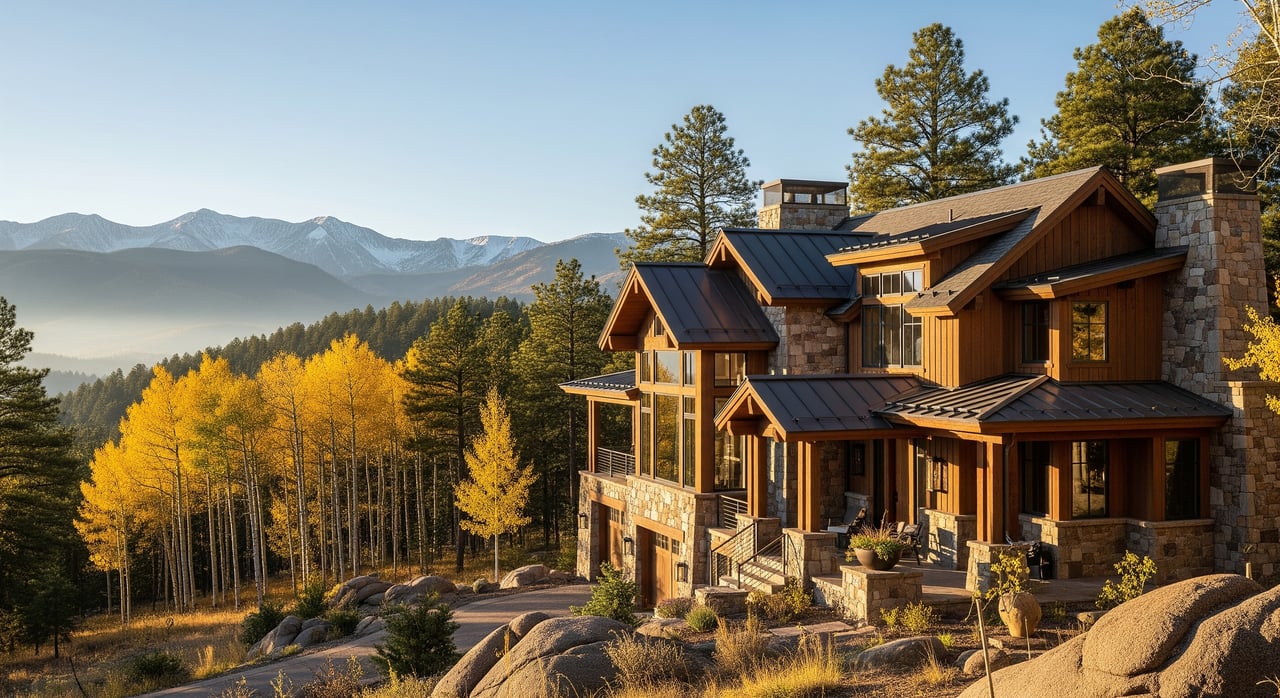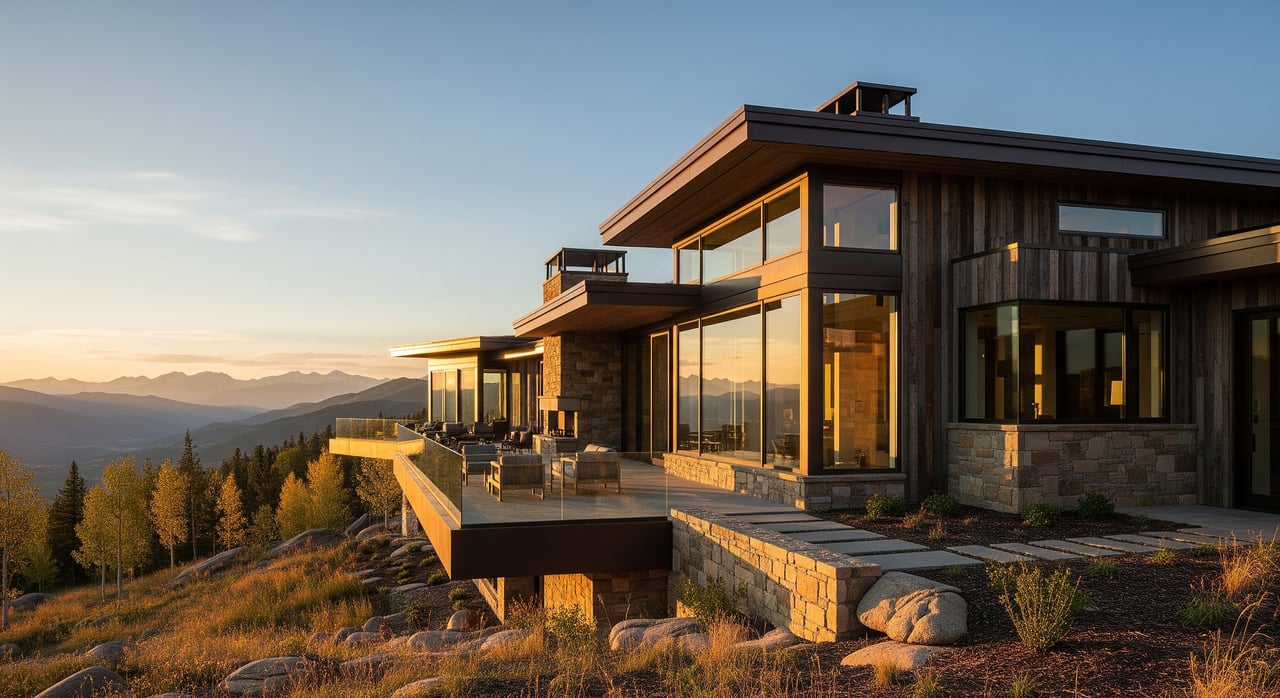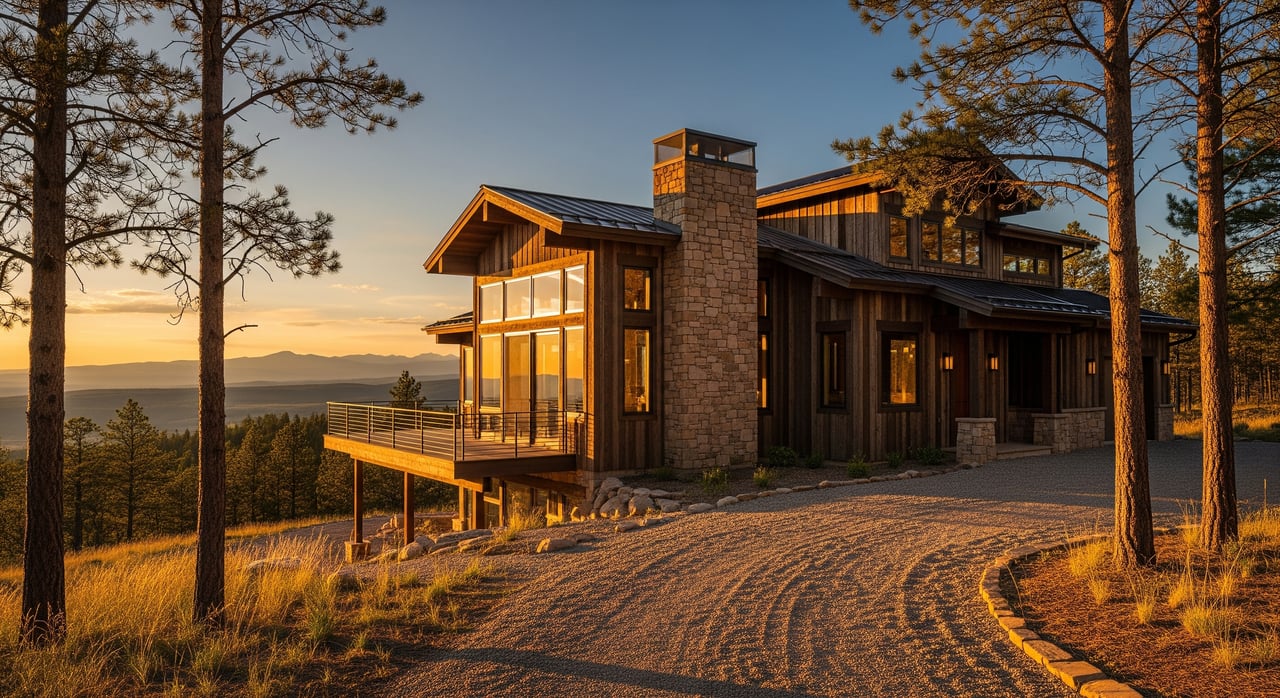
Looking for a project home with foothills views, privacy, and real upside? In Genesee, the best fixer opportunities often trade quietly, not on the MLS. If you want a shot at value in a low-inventory mountain market, you need a smart plan and the right local guide. In this post, you’ll learn where off-market Genesee fixers come from, how to find them, what to inspect in the foothills, and how to finance and plan a renovation that pays off. Let’s dive in.
Why Genesee fixers are worth the hunt
Genesee sits in the Jefferson County foothills just west of Denver. The housing stock leans toward single-family homes on larger or hillside lots, with a mix of older ranch or mountain-style properties and newer rebuilds. That blend creates openings for buyers who can renovate.
Inventory in the most desirable mountain neighborhoods is limited. When public supply is tight, off-market properties can be your edge. If you value privacy, views, and the chance to tailor a home to your taste, a fixer in Genesee can deliver both lifestyle and equity.
What off-market really means in Genesee
Off-market simply means a property is available to buy without a public MLS listing. In Genesee, that can happen for a few reasons:
- Long-time or second-home owners who prefer privacy
- Inherited properties and probate estates
- Absentee owners or out-of-area owners of mountain homes
- Sellers in pre-foreclosure or with tax issues who want a direct sale
- Pocket listings through agents who know the owner’s plans
- Contractors or investors who buy and resell without MLS exposure
Local signals might include visible deferred maintenance, For-Sale-By-Owner signs on private driveways, or stalled renovation activity. Public records like probate filings or recent permit activity can also hint that a property may be in play.
How Chad sources quiet opportunities
You need more than portal alerts to find Genesee fixers. You need a local, investor-minded approach that respects owner privacy and follows Colorado law.
Here is how a focused search can work for you:
- Compass Private Exclusives. Some sellers quietly test the market within a brokerage network. This creates early-access windows that do not hit the MLS.
- Targeted outreach. Thoughtful letters to likely owner groups, plus driving for dollars to spot neglected homes, can surface real leads.
- Local network listening. Conversations with contractors, septic and well companies, and other foothills vendors can uncover upcoming opportunities.
- Online and neighborhood groups. Owners sometimes float FSBO options in local forums.
- Agent-to-agent channels. Relationships with listing agents and investor buyers often reveal pocket opportunities.
Everything is done with ethics and compliance top of mind. Even in off-market deals, Colorado seller disclosure rules still apply, and your interests come first.
Due diligence for mountain fixers
Genesee properties live in the wildland-urban interface with hillside terrain. The right inspections and records checks can save you from expensive surprises.
Environment and access
- Wildfire context. Many properties sit in or near WUI zones. Factor in mitigation needs and insurance impact.
- Terrain and drainage. Hillside slopes, rock, and runoff can affect foundations, retaining walls, and grading costs.
- Winter access. Snow and freeze–thaw cycles affect road conditions, roofing, exterior finishes, and project timing.
Utilities, wells, and septic
- Confirm water and sewer status early. Some parcels rely on private wells and septic systems.
- Plan for septic inspections and potential drainfield work. Transfers and repairs often require permitting.
- Verify power, propane or natural gas service, and any private utility easements.
Permits and county rules
- Structural work, additions, electrical, plumbing, HVAC, many decks, and retaining walls require permits.
- Hillside lots can trigger geotechnical requirements and slope-related rules.
- Fire mitigation and defensible space recommendations may influence permitting and insurance.
Title, easements, and road maintenance
- Confirm legal access, snow plowing responsibilities, and road or driveway maintenance agreements.
- Study easements for utilities and ingress or egress. Unrecorded agreements or historic use can add complexity.
- Use a title company familiar with Jefferson County mountain properties.
Inspections that matter here
- General home inspection by an inspector experienced with mountain homes
- Structural or engineering review for hillside foundations and retaining walls
- Septic system inspection, plus well flow and water-quality testing if applicable
- Pest or wood-destroying organism inspection
- Radon testing, given elevated potential in the region
- Hazardous materials screening for older homes, including lead-based paint and asbestos
Consider getting contractor bids for major systems like roof, foundation, and septic before you firm up your offer. A concise scope can help you price the deal correctly and negotiate with confidence.
Insurance and wildfire
- Request quotes early. Wildfire exposure can affect eligibility and premiums.
- Ask about coverage limitations related to slope or landslide risk.
- Build mitigation work into your early post-close plan to reduce risk and support insurability.
Budgeting and financing options
You can buy fixers with cash or with loans that bundle repairs. Choose what aligns with your timeline and risk tolerance.
- FHA 203(k). For owner-occupants. Combines purchase and rehab. Comes in limited and standard versions.
- Fannie Mae HomeStyle Renovation. Flexible for a broad range of projects with loan sizing tied to completed value.
- Construction-to-permanent or construction-only loans. Useful for heavy rehabs and rebuilds.
- HELOC or home equity. If you own another property, equity can fund improvements.
- Hard money or bridge loans. Often used by investors who need fast closes and short terms, at higher rates.
Off-market deals can move quickly. Lender timelines, appraisal requirements, and draw schedules matter. Aim for a clean pre-approval and clear plan for funding the renovation phase.
Step-by-step plan to win a Genesee fixer
You do not need to overcomplicate the process. Start with clarity and move fast when the right opportunity appears.
1) Set your buy box
- Target area and drive-time tolerance
- Lot type and slope comfort level
- Bed, bath, and square footage minimums
- Condition tolerance and project scope ceiling
- Max all-in budget with a 10 to 25 percent contingency
2) Get financing dialed
- Choose cash, renovation loan, or bridge funding
- Confirm lender speed, appraisal needs, and draw timing
- Prepare proof of funds or a strong pre-approval letter
3) Source and screen
- Review Private Exclusives and agent-to-agent leads
- Drive the neighborhood and note prospective addresses
- Watch for FSBO signs, estate sales, or visible deferred maintenance
- Pull preliminary records on promising targets
4) Walk, inspect, and price the work
- Tour with a mountain-savvy inspector or contractor
- Identify big-ticket items: foundation, roof, septic, well, retaining walls
- Draft a realistic scope with phased priorities
- Price the project and verify you have contingency room
5) Structure a smart offer
- Balance speed with essential contingencies for inspections and title
- Use realistic timelines for specialty inspections and bids
- If the seller wants privacy, propose a respectful, low-friction process
6) Execute due diligence
- Complete full inspections and any geotechnical reviews
- Confirm permit history and required future permits
- Order title work and resolve easements or access questions
- Shop insurance with wildfire context in mind
7) Close and mobilize
- Line up permits and schedule early
- Stage work to manage weather and access
- Implement defensible space and mitigation immediately
Renovate with resale in mind
You want a finished home that fits the neighborhood and sells well later. In mountain areas, over-improving can cut your return.
- Focus on safety, structure, and systems first. Foundation, drainage, septic, well, and roof repairs come before finishes.
- Match finishes to buyer expectations for renovated foothills homes. Keep it timeless and durable.
- Respect lot realities. On hillside parcels, grading, access, and retaining walls affect use and appraisals.
- Expect appraisal nuance. With fewer direct comps, appraisers weigh views, access, and unique lot traits.
Aim for a clean, move-in-ready result. That tends to draw the strongest buyer pool.
Why work with Chad on Genesee off-market deals
Genesee fixers reward preparation, local insight, and strong relationships. You get an investor-minded partner who uses Compass tools, quiet channels, and a hands-on process to find the right project and manage risk. You will know where your numbers stand, how to structure a clean offer, and what to check before you commit.
Ready to hunt smarter for off-market Genesee fixers? Reach out to Chad Goodale for a private conversation about your buy box, financing plan, and a tailored sourcing strategy.
FAQs
How do I find off-market fixer homes in Genesee?
- Use a mix of private brokerage channels, direct owner outreach, local contractor and inspector networks, targeted neighborhood groups, and careful on-the-ground observation.
Are off-market Genesee deals riskier than MLS listings?
- They can be if you skip due diligence, so mitigate risk with full inspections, title review, realistic budgets, and a clear understanding of seller disclosures that still apply in Colorado.
What inspections are must-haves for a Genesee fixer?
- Get a general inspection, structural or engineering review for hillside foundations, septic and well checks if applicable, a radon test, and a pest or WDO inspection, plus hazardous materials testing for older homes.
What permits could slow my foothills renovation?
- Structural, electrical, plumbing, and mechanical work, plus many decks, retaining walls, grading or erosion control items, and potential septic or well permits can extend timelines.
How should I budget for unknowns on a mountain fixer?
- Add a 10 to 25 percent contingency to contractor estimates to cover hidden issues like grading, drainage, septic upgrades, driveway repair, tree work, or utility trenching.
What financing works for fixers in Genesee?
- Consider cash, FHA 203(k), Fannie Mae HomeStyle, construction-to-permanent loans, HELOCs, or hard money, depending on your project scope, speed requirements, and end goals.