Floor-to-ceiling windows. Clean lines. Warm stone and timber. If you have been eyeing Genesee homes that blend modern simplicity with mountain textures, you are likely looking at Mountain Contemporary design. You want the views and style without sacrificing comfort, maintenance, or safety. In this guide, you will learn exactly what Mountain Contemporary means in Genesee, how it responds to foothill living, and what to look for as a buyer or highlight as a seller. Let’s dive in.
What Mountain Contemporary means
Mountain Contemporary blends contemporary forms with regional materials and site-driven design. It is not a chalet or purely rustic cabin, and it is not a stark urban loft. It is a thoughtful mix that feels modern and grounded in the landscape.
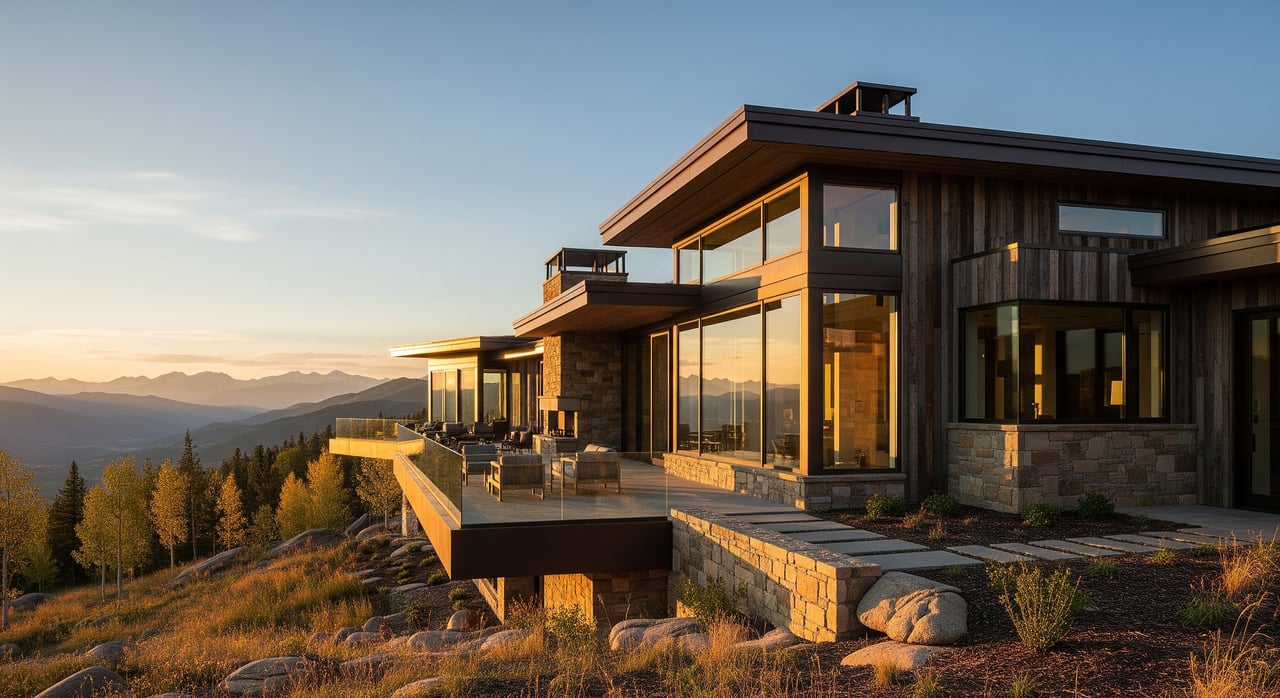
- Simple, geometric massing with rectilinear volumes and low or flat rooflines.
- Large windows and glazed walls oriented to capture views and natural light.
- Mixed materials like metal, glass, concrete, natural stone, and heavy wood beams.
- Strong indoor–outdoor connection through decks, sliders, and covered outdoor spaces.
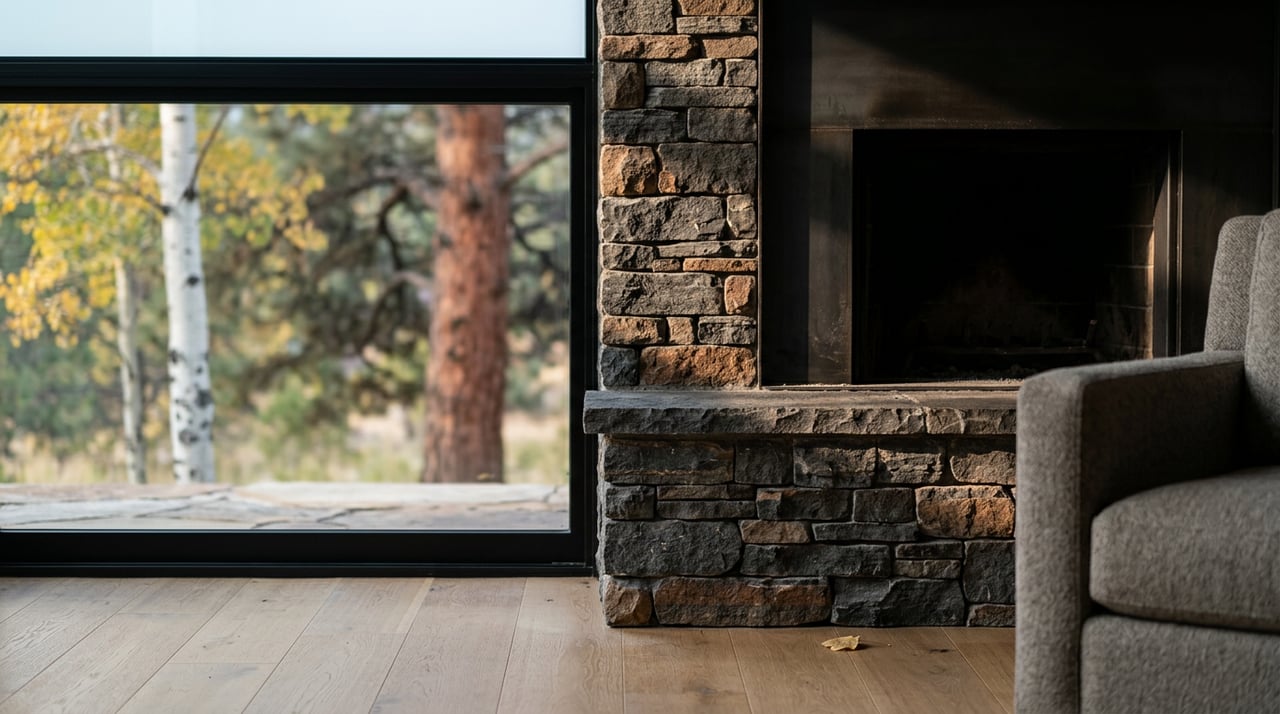
- Open interiors, exposed structure, neutral earthy palettes, and a clean-lined fireplace focal point.
- Functional mountain spaces such as mudrooms and gear storage.
How it differs from other styles:
- Compared with Mountain Rustic, you see fewer heavy timbers and less ornament; lines are cleaner, with rustic textures used sparingly.
- Compared with strict Modern, materials feel warmer and more site-specific, with designs tuned to slope, snow, sun, and views.
Why it fits Genesee
Genesee sits in the Front Range foothills west of Denver, with sloped, wooded lots and big eastern and southern views. Mountain Contemporary homes take advantage of those view corridors while handling elevation, climate, and access.
- Orientation leverages vistas and sun angles while controlling glare and heat gain.
- Designs adapt to rocky soils and grades with stepped foundations and retaining solutions.
- Materials and detailing address cold winters, snow loads, and higher UV exposure.
The result is a home that feels open to the landscape yet performs well through winter storms and bright summer days.
Construction and materials that matter
Roofs and snow
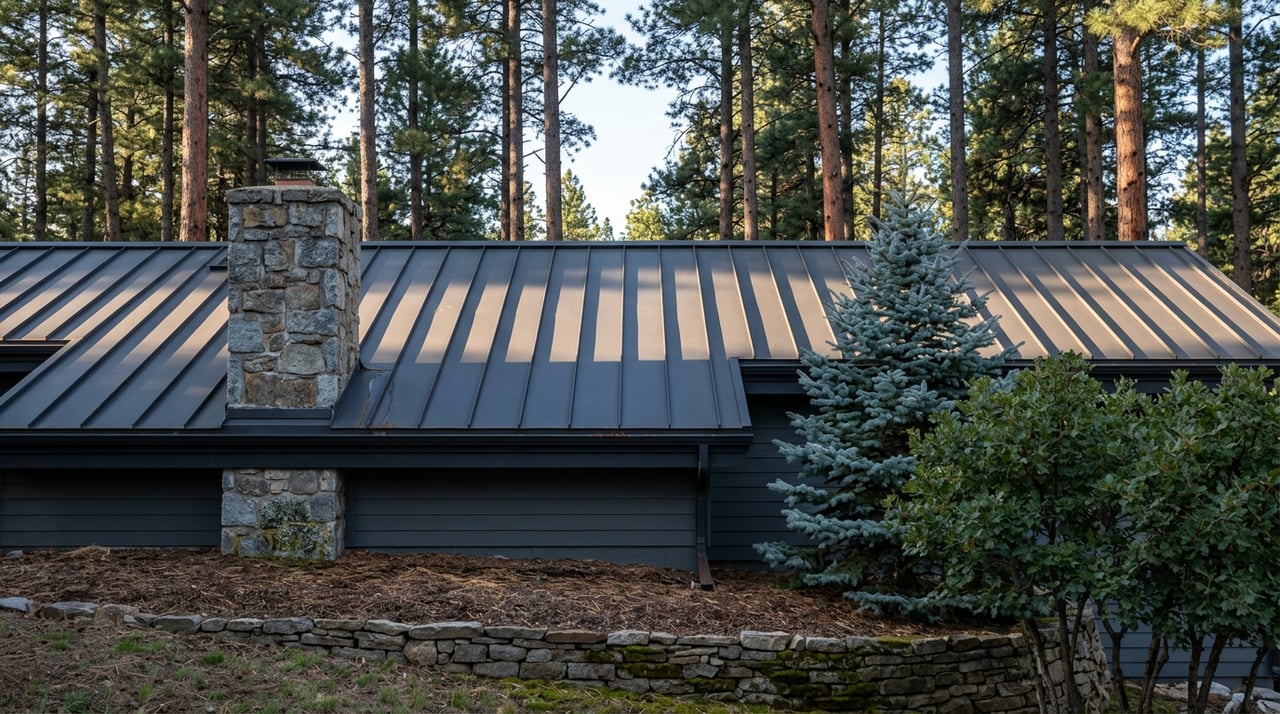
Low or modest-pitched roofs are common in this style and must be engineered for local snow loads. Many Genesee builds favor metal roofing for durability and snow shedding. You may also see snow guards, heat cables, or heated gutters to manage drifts and ice dams. Overhangs and deck edges are detailed to direct meltwater away from siding and walkways.
Windows and the building envelope
Large glass is a hallmark of Mountain Contemporary, so performance matters. Look for insulated, low-e glazing with thermally broken frames. On colder exposures, triple glazing can improve comfort. The rest of the envelope should include high R-values, continuous exterior insulation, careful air sealing, and vapor control suitable for cold, dry winters.
Heating, ventilation, and comfort
Radiant floor heat pairs well with big windows and open plans. High-efficiency furnaces and cold-climate heat pumps are common, sometimes in hybrid systems. In tight, well-sealed homes, ventilation with ERV or HRV helps keep indoor air healthy, especially if there is a fireplace or wood-burning appliance.
Exterior materials and maintenance
Durable, low-maintenance claddings fit both the look and the climate. You will often find metal, fiber-cement, engineered wood, stone, and treated heavy timber for exposed elements. In higher UV conditions, finishes need to be robust. In wildfire-prone areas, non-combustible or ignition-resistant materials are often recommended.
Foundations and site work
On steep or rocky sites, expect stepped or tiered foundations, piers, or retaining walls. Proper drainage and erosion control are essential to manage freeze–thaw and runoff. Thoughtful grading and minimal slope disturbance reduce long-term maintenance and protect the site.
Wildfire-smart design
Parts of the Jefferson County foothills, including Genesee, face elevated wildfire risk within the wildland–urban interface. Mountain Contemporary design can incorporate wildfire resilience without sacrificing aesthetics.
- Defensible space: maintain clear zones around the home by spacing vegetation, removing ladder fuels, and keeping up with seasonal maintenance.
- Harden the home: use non-combustible roofing, ember-resistant vents, enclosed eaves when possible, and ignition-resistant cladding.
- Decks and attachments: enclose under-deck areas and consider non-combustible or fire-rated assemblies where feasible.
Local guidance from county resources and the Colorado State Forest Service can inform planning and upkeep. When you shop or prepare to list, ask about recent mitigation work and maintenance records.
Costs and renovation realities
Converting an older mountain home to a Mountain Contemporary look can be more involved than a simple cosmetic update. Large view windows, open spans, and cantilevered decks often require engineered steel or engineered wood members. On sloped lots, foundation and retaining work add complexity. Energy upgrades to support bigger glass and a tight envelope are important for comfort and utility costs. All of this can command a premium but also appeals to buyers who value views, durability, and low maintenance.
Buyer checklist for Genesee Mountain Contemporary
- Orientation and views: Are window walls and decks positioned for morning sun or long-range vistas without overheating the home?
- Envelope and windows: Are there high-performance windows, continuous insulation, and clean flashing and drainage details? Ask for energy audits or recent utility bills.
- Winter readiness: How are roof, gutters, and entries detailed for snow and ice? Consider driveway grade, snow storage, and winter access.
- Wildfire resilience: Check for non-combustible roofing, ember-resistant vents, and documented defensible space or fuel mitigation.
- Mechanical systems: Note the age and type of heating systems and whether the home is compatible with electrification or heat pumps.
- Lot and utilities: Review siting, retaining walls, and whether the property is on municipal utilities or well and septic. Confirm permits and any easements that may affect use or future expansion.
Seller game plan to maximize value
- Highlight performance: Feature new windows, added insulation, recent roof replacement, mechanical upgrades, and any energy or comfort improvements.
- Show wildfire readiness: Provide records of defensible space work, roofing and vent materials, and ongoing maintenance.
- Stage for flow and views: Emphasize the indoor–outdoor connection, view corridors, and functional rooms like mudrooms and gear storage. Keep finishes simple and neutral to match the style.
- Provide documentation: Share permit history, engineering reports for decks and retaining walls, septic or well certifications if applicable, and any energy-efficiency audits or certifications.
- Leverage marketing tools: If you plan improvements before listing, consider professional staging and targeted updates that align with the style. Funding and premium marketing programs can help present the home at its best.
Permitting and local logistics
In Jefferson County, building permits, setbacks, and adopted codes guide additions and major remodels. Before you start, confirm current requirements with the county’s building and planning offices. If the home uses a well and septic system, gather records, certifications, and capacity details. Some neighborhoods may have HOA design review or guidelines for materials and vegetation management. For energy-efficiency or electrification upgrades, local utilities in the Denver region may offer incentives. Good planning reduces surprises and keeps your project on schedule.
Photo ideas that sell the story
- Exterior massing that shows how the home sits on the slope and frames views.
- Window walls and sliders that open to decks and patios.
- Indoor–outdoor moments like a great room flowing to a covered deck.
- Detail shots of metal roofing, stone bases, and exposed timber or steel.
- Functional mountain spaces such as a mudroom, fireplace zone, or radiant floor areas.
- Wildfire-ready elements like enclosed eaves, ember-resistant vents, or non-combustible siding.
Mountain Contemporary in Genesee pairs modern design with mountain performance. When you focus on siting, envelope quality, snow and wildfire readiness, and durable materials, you get a home that looks incredible and lives well all year. Whether you are buying or selling, the right details and documentation make all the difference.
If you want a practical plan tailored to your property or your search, connect with Chad for local guidance, staging and prep strategies, and a clear path to your goals. Get Your Instant Home Valuation with Chad Goodale.
FAQs
What does “Mountain Contemporary” mean in Genesee homes?
- It blends clean, modern forms with mountain materials and site-specific design, emphasizing large windows, simple massing, and strong indoor–outdoor connections suited to foothill living.
How do large windows perform in Genesee’s climate?
- With insulated low-e glass, thermally broken frames, and a well-insulated, air-sealed envelope, large windows can stay comfortable while showcasing views; ask for specs and recent utility bills.
What wildfire features should I look for in a Genesee home?
- Look for non-combustible roofing, ember-resistant vents, ignition-resistant siding, enclosed eaves or decks where possible, and documented defensible space and fuel mitigation work.
Are metal roofs a good choice for foothill snow and sun?
- Properly installed metal roofing handles snow shedding and UV exposure well and is not noticeably noisier than other options when installed over solid sheathing with the right underlayment.
What permits and records should sellers gather before listing in Jefferson County?
- Compile building permits for additions or remodels, engineering reports for decks and retaining walls, well and septic documents if applicable, and any HOA design approvals or guidelines.