Want your Denver home to help pay the mortgage? House hacking can make that happen, whether you add an ADU, buy a small multi-unit, or choose a condo that allows renting. You want a clear plan, realistic numbers, and local rules that won’t surprise you later. In this guide, you’ll learn how ADUs and condos work in Denver, how lenders view rental income, and what to check before you buy or build. Let’s dive in.
What house hacking looks like in Denver
House hacking means you live in the property and rent part of it. In Denver, that can include:
- Building or converting an accessory dwelling unit (ADU) and renting it.
- Buying a 2–4 unit property and living in one unit.
- Renting spare bedrooms in a single-family home.
- Buying a condo and renting within HOA rules.
Each path has different rules, costs, financing, and cash-flow potential. Your plan should match your budget, timeline, and comfort level with renovations or tenant management.
ADUs in Denver: rules, costs, timeline
Verify zoning and permits
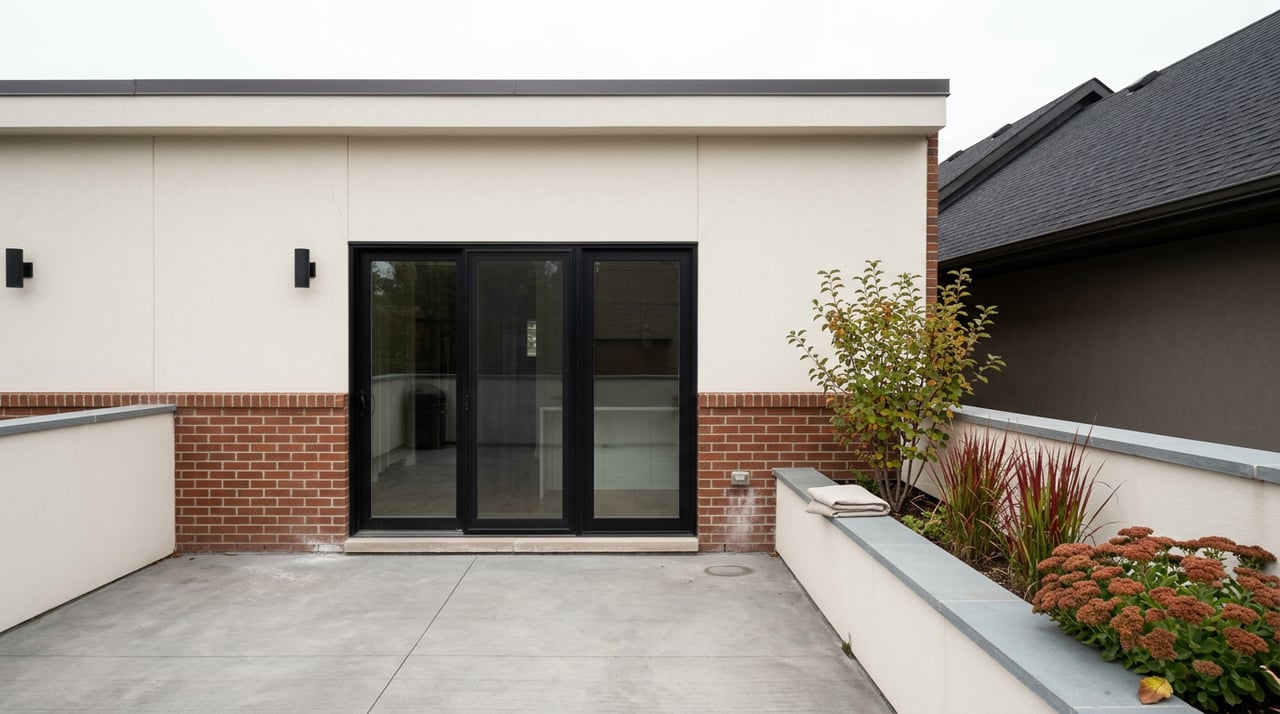
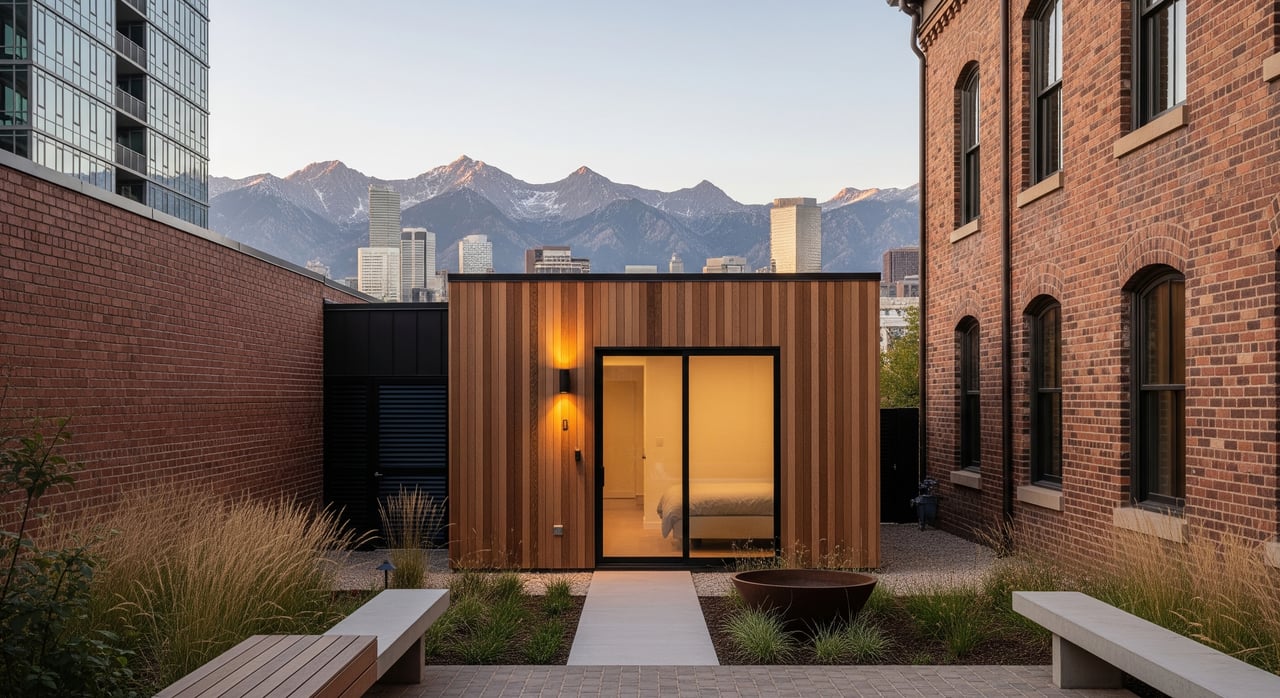
ADUs can be attached, detached, or created by converting interior space like a basement or garage. Whether an ADU is allowed on a specific lot depends on Denver zoning, overlays, historic districts, and lot size. You will need permits and inspections for building, electrical, plumbing, and mechanical work. Short-term rentals require separate licensing and many HOAs restrict them, so confirm your intended use early.
What the process looks like
- Preliminary zoning check: typically 1–2 days with planning or an architect.
- Design and permit drawings: around 2–8 weeks, depending on scope and designer.
- Plan review and permit issuance: roughly 2–12 weeks or more.
- Construction: weeks to many months, based on conversion vs. new detached build.
- Final inspections and occupancy sign-off: required before you can legally rent.
Budget, insurance, and rentals
Conversions often run in the tens of thousands of dollars. Detached ADUs commonly cost $100k to $300k or more, depending on size, finishes, and site work. Plan for possible utility upgrades, parking or setback considerations, and higher property taxes. Your homeowner’s policy may not cover tenant-related risks, so add a landlord endorsement or a separate landlord policy. If you plan a short-term rental, expect different insurance needs and local licensing.
Condos: read the fine print
HOA rental rules
Condo associations control building rules, common areas, and rental policies. Many HOAs cap rentals, require minimum lease terms, or impose waiting periods. Always review the bylaws, CC&Rs, rules, meeting minutes, and any pending policy changes. A rental cap can limit your ability to rent now or later.
Financing and project approval
Lenders evaluate condo projects, not just individual units. They look at owner-occupancy ratios, delinquencies, reserves, insurance, and litigation. Some loan programs require the condo project to be approved. If you plan to use FHA, VA, or certain conventional loans, confirm project eligibility early to avoid surprises.
Practical due diligence
Ask the HOA for current owner-occupancy data if available, and verify transfer fees, leasing procedures, and any special assessments. Confirm insurance needs for the unit (HO-6) and how the master policy interacts with rentals. If the HOA limits short-term rentals, make sure your plan is for long-term tenants and minimum lease terms.
Financing your house hack
FHA, conventional, and VA options
Owner-occupied financing is available for 2–4 unit properties and for primary residences with legal ADUs. FHA, VA, and conventional loans each have different down payment, reserve, and appraisal requirements. For FHA program details, start with the HUD FHA overview and talk with a local lender about current rules and how rental income can help you qualify.
Counting rental income to qualify
Lenders may use existing leases or projected market rent to help you qualify, but the rules vary. Some will count a percentage of rent, others require a signed lease, and many need proof the unit is legal and permitted. For an ADU, expect underwriters to confirm zoning, permits, and whether the space is separately rentable under local rules.
ADU construction and rehab loans
If you plan to build or convert an ADU, construction loans or renovation programs can help. FHA 203(k) may finance rehab in certain cases, subject to program standards and property eligibility. Construction-to-permanent loans are another option. Ask lenders whether they will consider projected ADU rent and what documentation they need.
Work with the right lender
Start conversations early and share your exact plan. Ask about down payment, reserves, how rent will be treated, condo project approval requirements, and timeline. Compare total cost of financing, not just the headline rate.
Taxes, insurance, and compliance
Rental income is generally taxable, and you can deduct ordinary and necessary expenses for the rental portion. When you rent part of your home, allocate expenses reasonably, such as by square footage. For a clear overview on rental income, deductions, and depreciation, see IRS Publication 527. If you later sell, depreciation and past rental use can affect how much gain qualifies for the primary residence exclusion.
Insurance matters. A standard homeowner’s policy likely won’t cover tenant-related claims. Add a landlord endorsement or separate landlord policy, and consider an umbrella liability policy. For condos, confirm what the master policy covers and what your HO-6 needs to include for rentals. Short-term rentals often require specialized coverage.
For compliance, follow Denver’s licensing and safety standards. Short-term rentals have separate licensing. Make sure smoke detectors, carbon monoxide alarms, egress, and other habitability requirements are met before you rent.
Run the numbers: quick framework
Use conservative assumptions when you test cash flow. Try this:
- Estimate realistic rent using comparable units in the same neighborhood and similar condition.
- Subtract mortgage principal and interest, property taxes, insurance, HOA dues if any, utilities you cover, and maintenance.
- Add a vacancy allowance, often 5 to 10 percent for long-term rentals, and management fees if you will not self-manage.
- Stress test your plan with slightly lower rent and slightly higher expenses to see if it still works for your budget.
Neighborhood and demand checkpoints
Demand for rentals generally tracks with proximity to jobs, universities, transit lines, and amenities. Some Denver areas that have historically seen consistent renter interest include Capitol Hill, Baker, West Highland, Five Points, RiNo, LoDo, and Washington Park-adjacent neighborhoods. Markets change, so rely on current comps, talk to a property manager about rent expectations, and verify vacancy trends for your target micro-area.
A step-by-step checklist
Pre-offer
- Confirm ADU zoning and lot eligibility if relevant. Do not assume an ADU is allowed.
- Request HOA documents early for condos or planned communities and review rental rules.
- Speak with lenders about loan programs, down payment, reserves, and rental income treatment.
- Gather rent comps from multiple sources and consider a property manager’s estimate.
Under contract
- For ADUs: verify permit history and code compliance for any existing conversions.
- For 2–4 units: review leases, rent rolls, and tenant payment history.
- Order inspections that consider unit separation, electrical, HVAC, and utility configuration.
- Confirm insurance quotes that cover rental use and any HOA requirements.
Post-purchase
- Pull permits for any ADU work and complete inspections before renting.
- Obtain short-term rental licensing if applicable and follow tax remittance rules.
- Set up proper insurance and clear, compliant lease agreements.
- Document expenses and rental income from day one to simplify tax time.
Ready to explore?
If you want a clear path to a Denver house hack that fits your budget and comfort level, let’s map it out together. From zoning checks and HOA reviews to lender intros and rent comps, you will get practical steps and local insight at every turn. Connect with Chad Goodale to start your plan today.
FAQs
What is house hacking in Denver?
- It means you live in the property and rent a portion, such as an ADU, a second unit in a duplex, spare bedrooms, or a condo unit within HOA rental rules.
Are ADUs allowed on every Denver lot?
- No. You must check zoning, overlays, historic-district limits, and lot size, then obtain permits and inspections before renting.
How long does an ADU project take?
- Expect weeks for design and permits, additional weeks to months for plan review, and months for construction, plus final inspections before renting.
Can I use FHA or VA to buy a duplex and live in one unit?
- Yes. FHA and VA allow owner-occupant purchases of 2–4 unit properties, each with specific down payment, reserve, and appraisal rules.
Will lenders count ADU rent to help me qualify?
- It depends on the lender and program. Some use projected rent with proper permits and documentation, while others require a signed lease.
Can condo HOAs restrict renting in Denver?
- Yes. Many HOAs set rental caps, minimum lease terms, or waiting periods, which can limit short-term or even long-term rentals.
What taxes and insurance should I plan for?
- Rental income is taxable and expenses must be allocated. You may need a landlord policy or endorsement and, for condos, HO-6 coverage suited for rentals.